Starting a fitness journey can feel confusing. You might know you want to get fitter, stronger, healthier or more confident, but not know what to do first. Should you lift weights? Do more cardio? Follow a meal plan? Join a gym? Train at home? Copy workouts online?
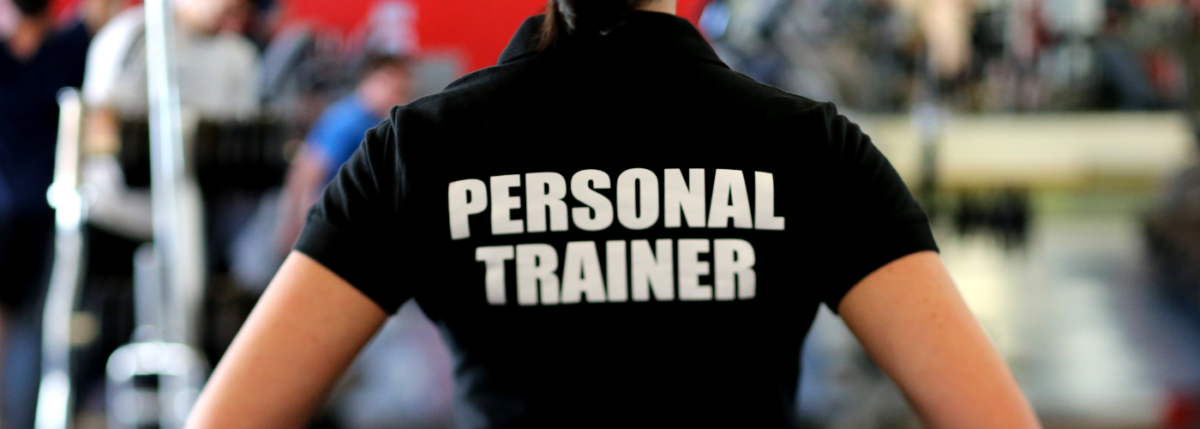
This is where a personal trainer can make a huge difference.
A good personal trainer does far more than count reps or shout encouragement from the side of the gym. Their job is to understand where you are now, where you want to get to, and how to build a realistic plan that fits your body, lifestyle, confidence level and goals.
For anyone looking at fitness and personal training Chesterfield, this beginner’s guide explains what a personal trainer actually does, what to expect, and how the right support can help you make progress without feeling overwhelmed.
A Personal Trainer Helps You Understand Where You Are Starting From
Before a good personal trainer gives you a programme, they first need to understand you.
That usually means talking through your goals, current fitness level, exercise experience, injury history, lifestyle, work routine, confidence, nutrition habits and any barriers that have stopped you before.
This matters because no two people start from the same place. One person might want to lose weight after years of feeling stuck. Another might want to feel stronger after an injury. Someone else might be training for an event, improving energy levels, or simply trying to feel more confident walking into a gym.
The role of a personal trainer is not to hand everyone the same plan. According to CIMSPA, the professional body for the sport and physical activity workforce in the UK, personal trainers coach people towards their health and fitness goals through bespoke exercise programmes, instruction, nutritional advice and lifestyle management support.
They Build a Plan That Matches Your Goals
One of the biggest mistakes beginners make is jumping into random workouts without a clear plan.
You might do legs one day, a YouTube HIIT session the next, skip a week, then try a heavy weights session because someone online said it was best. The problem is that random exercise often produces random results.
A personal trainer creates structure.
That might include:
- Strength training to build muscle, improve posture and support fat loss
- Cardiovascular work to improve heart health and stamina
- Mobility work to help you move better
- Beginner-friendly technique practice
- A plan for training outside your sessions
- Progressions so your workouts become more effective over time
The NHS recommends adults aim for at least 150 minutes of moderate intensity activity per week, or 75 minutes of vigorous activity, along with strengthening activities for all major muscle groups on at least two days per week.
A good trainer helps turn that guidance into something practical. For example, that could mean two coached strength sessions, one short home workout and some regular walking, rather than trying to force a complicated gym routine into an already busy life.
They Teach You How to Exercise Properly
A personal trainer also teaches technique.
This is especially important for beginners because many exercises look simple until you try to do them well. Squats, deadlifts, lunges, rows, presses and core exercises all have small details that can make them more effective, more comfortable and more suitable for your body.
Good coaching helps you understand:
- Which muscles you should feel working
- How to control the movement
- How to breathe during exercises
- How to adjust the exercise if something feels uncomfortable
- When to increase weight, reps or difficulty
- When to slow down and focus on form
This is one of the most valuable parts of personal training. It gives you confidence, not just a workout.
Instead of walking into the gym wondering what to do, you start to understand why you are doing each exercise and how it helps you move towards your goal.
They Help You Progress Safely
Fitness progress comes from doing the right amount of work at the right time.
Too little, and you may not see much change. Too much, and you can end up sore, frustrated, exhausted or injured. A personal trainer helps find the right balance.
Progress might mean lifting slightly heavier weights, adding more reps, improving your form, increasing your range of movement, reducing rest times, or simply feeling less out of breath doing something that used to feel difficult.
For beginners, progress is not always dramatic at first. Sometimes the early wins are things like:
- Feeling more confident in the gym
- Sleeping better
- Having more energy
- Moving with less stiffness
- Climbing stairs more easily
- Feeling stronger during everyday tasks
- Sticking to exercise for longer than you have before
These things matter. They are often the foundation for bigger physical changes later.
They Keep You Accountable
Most people do not struggle because they are lazy. They struggle because life gets busy.
Work, family, stress, tiredness, social plans and old habits all get in the way. A personal trainer gives you accountability, which can be one of the biggest reasons people stay consistent.
When someone is checking in with you, planning your next session and helping you adjust when life gets messy, it becomes easier to keep going.
This is especially useful if you have previously started and stopped. You may not need a “harder” workout. You may need a better plan, more support and someone to help you stay on track when motivation dips.
This matters because physical activity levels are still a challenge for many adults. Sport England’s latest Active Lives Adult Survey, covering November 2024 to November 2025, found that 64.6% of adults in England, around 30.9 million people, met the Chief Medical Officers’ guideline of doing 150 minutes or more of moderate intensity physical activity per week. That also means a significant number of adults are still not reaching that level.
They Help With Nutrition, Without Making It Complicated
A personal trainer is not the same as a dietitian, and they should not pretend to be one.
However, a qualified trainer can help you understand the basics of nutrition and how your current habits may be affecting your progress. That could include looking at protein intake, portion sizes, meal timing, hydration, snacking, alcohol, weekend habits or how to make better choices without following a strict meal plan.
For most beginners, the best nutrition advice is not extreme. It is usually about small, repeatable changes.
For example:
- Eating more protein with meals
- Adding more fruit and vegetables
- Drinking more water
- Reducing grazing in the evening
- Planning meals around busy workdays
- Understanding calories without becoming obsessed with them
- Building habits you can actually stick to
The aim is not to create a perfect diet. The aim is to create a better routine.
They Adapt Training Around Your Body and Lifestyle
Another key part of personal training is adaptation.
A good trainer will not force you into exercises that are wrong for your current ability, confidence or body. If something hurts, feels awkward or does not suit you, they should be able to change it.
This is particularly important if you are new to exercise, returning after a break, managing an old injury, working around joint pain, or feeling nervous about the gym.
Personal trainers are also expected to understand when a client needs support from another professional. CIMSPA notes that personal trainers should be aware of when to refer clients to specialists such as physiotherapists or registered dietitians.
That is a sign of a responsible coach. A good personal trainer works within their scope and puts your wellbeing first.
They Build Confidence, Not Just Fitness
For many beginners, the biggest barrier is not physical. It is emotional.
You might feel embarrassed about your current fitness level. You might worry about being judged. You might not know how to use equipment. You might have tried before and feel like you failed.
A personal trainer helps remove that uncertainty.
They can show you what to do, explain why it matters, support you through the early stages and help you realise that you are more capable than you think.
Confidence is one of the most underrated results of personal training. Once you understand how to train, how to use equipment and how to structure a session, the gym becomes much less intimidating.
Do You Need to Be Fit Before Working With a Personal Trainer?
No.
In fact, if you are not currently fit, that is often one of the best reasons to work with a trainer.
You do not need to lose weight first. You do not need to practise in secret. You do not need to get your fitness up before asking for help.
A personal trainer should meet you where you are now. That could mean starting with basic movement patterns, lighter weights, shorter sessions or simple home-based activity between appointments.
The NHS makes it clear that adults should aim to do some type of physical activity every day, but it also advises speaking to a GP first if you have not exercised for some time or have medical concerns.
The important thing is to start at the right level for you.
What Happens in a First Personal Training Session?
Your first session will usually be more about understanding than testing.
A trainer may ask about your goals, lifestyle, training history, injuries and what you want help with. They may also look at how you move, your current strength, your confidence with certain exercises and what kind of training you enjoy.
You should not feel destroyed after your first session. A beginner-friendly trainer will usually focus on helping you feel comfortable, learn the basics and leave feeling like you can do this.
A good first session should make you feel clearer, not more confused.
Is Personal Training Worth It?
Personal training is worth it if you want guidance, structure, accountability and a plan that is built around you.
It is especially useful if you:
- Are new to exercise
- Feel nervous about the gym
- Have struggled to stay consistent
- Want to lose weight but do not know where to start
- Want to build strength safely
- Need help with technique
- Want support with both training and habits
- Prefer having someone guide you rather than guessing
The health benefits of becoming more active are well established. The NHS states that exercise can reduce the risk of major illnesses such as coronary heart disease, stroke, type 2 diabetes and cancer, and can lower the risk of early death by up to 30%.
That does not mean everyone needs to train like an athlete. It means the right level of regular movement can have a powerful impact on long-term health.
Final Thoughts: A Personal Trainer Helps You Stop Guessing
A personal trainer is not just there to give you a hard workout.
They are there to help you understand your body, train safely, build confidence, improve consistency and make fitness feel achievable.
For beginners, that support can be the difference between another short-lived attempt and a routine that finally sticks.
So, if you are looking for fitness and personal training Chesterfield, the right personal trainer should help you feel supported, not intimidated. They should give you a clear plan, explain what you are doing, adapt things when needed and help you build progress at a pace that works for real life.